Bones Skeleton: A Display Font with Spooky Handmade Charm
When I first stumbled across Bones Skeleton, I knew it would solve a problem I face every autumn. Finding a typeface that feels playful, slightly eerie, and still readable on product labels is harder than it sounds. Most Halloween fonts lean too cute or too grungy. This one hits a sweet spot. It carries a skeletal structure that feels hand-drawn and whimsical, yet each letterform holds its own on a candle label, a party invitation, or a screen-printed tote bag. For the maker who sells seasonal goods, Bones Skeleton feels less like a novelty and more like a design asset you reach for year after year.
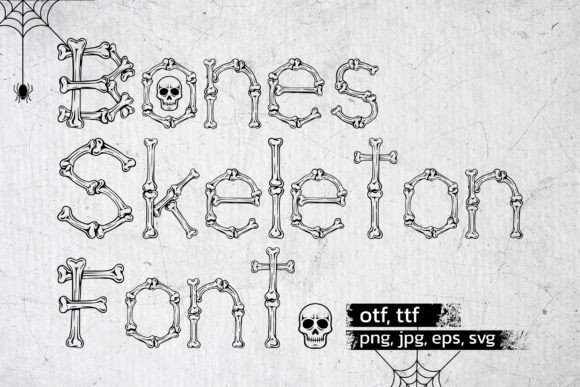
The font has a distinct bone-inspired anatomy that reads clearly at a glance. Letter strokes taper and swell in ways that mimic long bones and joints, but the designer kept the spacing generous and the silhouettes recognizable. You do not have to squint at a lowercase "e" wondering if it is an "o." That functional clarity matters when you are printing sticker sheets, engraving acrylic signs, or cutting heat-transfer vinyl on a Cricut machine. A display font that sacrifices legibility for style can frustrate customers. Bones Skeleton avoids that trap, which makes it genuinely useful for product-based small shops.
A Display Typeface That Feels Handcrafted and Seasonal
There is an organic quality to Bones Skeleton that sets it apart from rigid, geometrically perfect fonts. The slight irregularities in each character suggest something drawn by hand rather than generated by algorithm. That imperfection is exactly what handmade sellers need because it mirrors the tactile nature of physical products. When printed on kraft paper tags or debossed into leather keychains, the font retains warmth. It does not look like it belongs on a corporate memo. It belongs on a pumpkin-scented soy candle, a trick-or-treat bag label, or a booth banner at a fall market.
I have seen display typefaces that photograph beautifully in mockups but fail on the production side. Thin spindly sections snap during weeding. Tiny counters fill in when printed at small sizes. With Bones Skeleton, the bone segments are chunky enough to survive the weeding hook, and the open interior spaces stay crisp even at 0.5 inches on a round sticker. For a creative font rooted in a spooky theme, that engineering thoughtfulness is rare and appreciated.
Color choice also transforms the mood of this typeface. In stark white against a black matte background, it feels like a vintage monster movie title card. In neon green or glow-in-the-dark ink, it screams party décor. In metallic gold foil on a burgundy wedding suite, it feels elegant and slightly macabre—perfect for a couple planning an October ceremony. The versatility surprises me every time I test a new substrate.
Practical Product Applications for Makers and Shop Owners
I gravitate toward fonts that can stretch across multiple product categories because inventory changes with seasons. A typeface I buy for Halloween should ideally work for birthday invitations, quirky brand packaging, or even edgy apparel designs. Bones Skeleton delivers that range. Below are the applications where it has performed best in my own production workflow.
Labels, Stickers, and Hang Tags
Product labels require a careful balance between personality and function. The font must catch attention while letting the product name sit front and center. For small-batch candle labels, Bones Skeleton shines as the scent name typeface. Imagine the phrase "Haunted Honey" in a tall skeletal letterform on a matte amber jar. The letters remain distinct, the spacing prevents crowding, and the finished product looks cohesive enough for boutique shelves.
Sticker designers will appreciate the smooth curves and minimal nodes in the vector files. When you import the typeface into design software and create cut lines, clean paths mean less manual node editing. This saves hours on a large sticker sheet order. Kiss-cut planner stickers, waterproof bottle labels, and clear window decals all benefit from a font that outlines cleanly and weeds predictably. For tote bag heat transfers, the thicker bone motifs press evenly without scorching delicate connector points.
Invitations, Stationery, and Event Signage
Halloween party invitations are the obvious starting point, and Bones Skeleton handles that job effortlessly. Set the event title in this display font, then pull the details into a clean sans serif font for contrast. The hierarchy stays clear, and the invitation feels designed rather than assembled from clip art. For wedding stationery, an October bride might use this script font alternative for place cards, table numbers, or the welcome sign. The skeletal structure adds whimsy without tipping into cartoon territory.
Event signage needs to be readable from across a room, and Bones Skeleton holds up at large scale. I have cut 16-inch tall letters from foam board for a photo booth backdrop, and the skeletal shapes created instant visual impact. Painted MDF signs for porches and entryways also benefit from the font's bold personality. A welcoming phrase like "Enter If You Dare" carved in this typeface looks like a professional woodworker's creation, even when produced with a home CNC or a stencil and paint.
Printable Wall Art and Digital Downloads
Printable product creators operate in a crowded market where typography often makes the difference between a bestseller and a dud. Bones Skeleton offers instant recognition. A digital download featuring moon phases and a skeletal serif quote taps into the modern farmhouse-meets-gothic aesthetic that resonates with a wide buyer demographic. The premium font quality means customers receive a polished file that prints beautifully at home or through a professional lab.
Planner pages and journal cards also suit this font for thematic collections. October monthly tabs, habit trackers with subtle spooky details, and mood board quote cards all benefit from a display font that feels seasonal but not childish. Sellers who build entire digital product suites around a cohesive visual theme will find Bones Skeleton anchors a brand look across multiple product types.
Readability Tips for Cutting Machines and Small Formats
Working with vinyl cutters and laser engravers taught me that even beautiful fonts need testing before committing to a production run. Here are the practical observations from real use. At sizes below 0.25 inches, the smaller bone details in some lowercase letters begin to blend. For tiny stickers or return address labels, I recommend sticking to uppercase or switching to a supporting sans serif font for the secondary text.
Weeding intricate designs requires patience, but Bones Skeleton does not punish you with fragile hairlines. The bone segments maintain a consistent thickness that releases cleanly from the carrier sheet. Reverse weeding works reliably for adhesive vinyl, and the font performed well with both Cricut and Silhouette machines in my tests. For heat-transfer vinyl on t-shirts and hoodies, a slight increase in letter spacing prevents cracking between closely set characters after washing.
Engraving and embossing reveal another strength. The linear bone structures translate beautifully to scored lines on chipboard, acrylic, and leather. Because the letter shapes rely on distinct vertical and horizontal strokes, a laser engraver renders them with high contrast. The result looks intentional and crisp, even on textured surfaces like wood slices.
Font Pairing Ideas for Balanced Designs
No display font works in isolation. Pairing grounds the design and guides the eye through the information hierarchy. With Bones Skeleton, I lean into contrast. The skeletal, ornate quality of the typeface pairs beautifully with a simple sans serif font like a clean geometric or humanist style. The stark difference between decorative and minimal creates breathing room on the page.
For a romantic-gothic label, try pairing Bones Skeleton with an elegant script font that has fluid, cursive strokes. The rigid bone shapes against soft, looping calligraphy create tension that feels intentional and high-end. This combination works especially well on wedding invitations, luxury candle labels, and boutique chocolate packaging. For a rustic Halloween market look, combine it with a rough-textured handwritten font that mimics chalk or brush lettering. The contrast between skeletal precision and casual hand-drawn strokes feels approachable and handmade.
When building a brand identity around this font, consider creating a small family of complementary typefaces. A sturdy serif font for body copy, a neutral sans serif font for functional information, and Bones Skeleton as the hero display typeface. This system works across product labels, social media graphics, web design headers, and packaging design. Consistency like this builds customer recognition and perceived quality over time.
Exploring File Formats, Alternates, and Multilingual Support
Before purchasing any commercial font, I dig into the technical details to ensure it fits my production software. Bones Skeleton includes the file formats most crafters need for design work and cutting machine import. Check the product listing for OTF and TTF options, which cover the majority of design applications from Adobe Illustrator to free programs like Inkscape. SVG fonts are not always included, so verify the format compatibility with your specific software if that is your preferred workflow.
Look for included glyphs beyond the standard alphabet. Some fonts in this category include stylistic alternates, ligatures, or swashes that add personality to specific letter combinations. Even basic multilingual support expands your product reach. Accented characters and extended Latin glyphs mean you can confidently design products for customers in multiple languages, whether for physical goods sold at European markets or digital downloads on global platforms.
PUA-encoded characters, when available, provide access to additional glyphs through your system's character map or font panel. This is particularly useful for creating custom monograms or decorative initial caps on product labels. The small detail of a unique ampersand or an alternate "S" can elevate a design from generic template to signature product.
Commercial Licensing and Selling Finished Products
Here is the detail that matters most to anyone running a product-based business: licensing. When you purchase Bones Skeleton, review the included license terms carefully. Most premium font licenses allow you to create and sell physical products, printed goods, and certain digital products without additional fees. This typically covers t-shirts, mugs, tote bags, stickers, greeting cards, invitations, wall art prints, and similar tangible items.
Digital product sellers should pay close attention to the specific language around design assets and redistribution. Selling flattened designs like printables, social media templates, and finished SVG cut files is often permitted, but embedding the font file itself for resale or sharing is universally prohibited. If you create editable templates where the end user types their own text, you will likely need an extended or special license. Confirming these details upfront protects your shop, your customers, and the type designer who created this useful and distinctive creative font.
For Etsy sellers, Shopify store owners, and market booth vendors, investing in a display font with clear commercial terms eliminates stress. You can confidently brand your entire product line, from seasonal packaging design to logo design elements, knowing the typeface has you covered. That peace of mind is worth every penny when you are building a recognizable brand identity that customers return to season after season.